Last week I had the great pleasure of having lunch with Dr. Eugene Kozloff one of the world's most respected scientists in the world of marine invertebrates.....he is also an authority on plants of the northwest coast, baroque music and a long list of other areas of study.
Dr. Kozloff was my professor of marine zoology at the University of Washington Friday Harbor Labs in 1975. He retired from active research last year at age 93. As always he continues to be the great teacher, and was the inspiration for me to end up teaching marine biology at the Seattle Aquarium.
In the image below you can see that he is still instructing me...This time a lesson on the stupidity of ever getting on that motorcycle...as usual his lesson fell on deaf ears....
Sunday, May 25, 2014
Monday, May 12, 2014
JUST WHEN YOU THINK YOU KNOW SOMETHING......
After all these years on the beach I was under the false impression that I actually knew something....I doubt it. We have come across two mysteries that as yet nobody we've asked has been able to solve.
First are these clam shells with interesting grooves in them......sort of look like ditches made by a run amok "Bertha" but more likely another mollusk using the radula. So far my best guess is a drunken Moon Snail. We have top people working on this mystery.
The second mystery is solved. The mollusk in the bottom image is a Slipper Shell. Still not certain the species as there are a couple of similar ones around, but Crepipatella dorsata is the call.
| Grooved Butter Clam shell (drill hole at top is from Moon Snail |
| Clam shell with multiple grooves |
![]() |
| Slipper Shell (Crepipatella dorsata) |
Tuesday, May 6, 2014
SPRING DEPARTURES AND ENSURING NEW ARRIVALS
California and Steller Sea Lions are all but gone from Puget Sound.
Headed south for the mating season. The Brant Geese have pushed through
on the way north to nesting grounds and large numbers of migrating Surf
Scoter ducks are currently resting off Alki for the trip north to
Canada and Alaska.
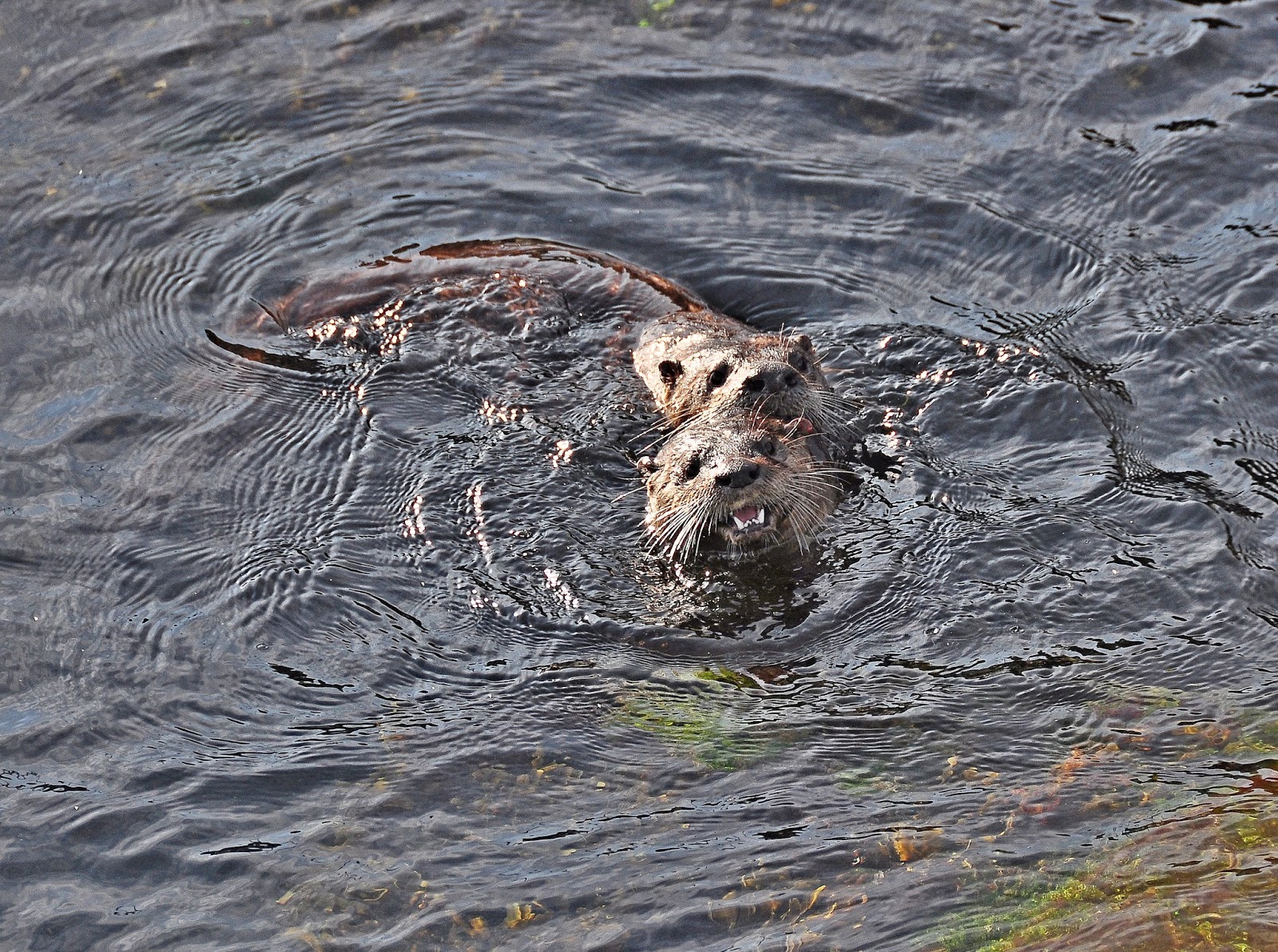
The stay at home River Otters greeted spring with real zesto.....as the mating pair in the images will attest. In addition a number of species of shorebirds and currently on the migration north.
Finally, May 4th was the one day opening of shrimp season....so lots of fun follies to watch.
The stay at home River Otters greeted spring with real zesto.....as the mating pair in the images will attest. In addition a number of species of shorebirds and currently on the migration north.
Finally, May 4th was the one day opening of shrimp season....so lots of fun follies to watch.
![]() |
| Mating River Otters |
![]() |
| More River Otter frolics |
![]() |
| More |
![]() |
| Surf Scoters |
![]() |
| Surf Scoters |
![]() |
| Dunlin |
| Brant |
| Shrimp Opening |
![]() | |
| Shrimp Opening follies |
Thursday, April 24, 2014
CALIFORNIA SEA LIONS FEAST BEFORE TRIP SOUTH
California Sea Lions are beginning the trip south from Puget Sound to breeding grounds, as there are no breeding areas in Washington State. Usually most of the sea lions are gone from Puget Sound sometime in May. The first ones to return will arrive in August. Females have only rarely been seen is Washington waters and remain south during the winter months.
While here the sea lions feed on a variety of fish....they are opportunistic hunters.
The images below of several seal lions feeding on a very large school of herring were taken April 23rd in the Duwamish Head area of Alki in West Seattle. Initially three individuals were feeding for about 2 hours on the same school but the word got out and the number of sea lions increased to at least 7. Gulls joined the feeding sea lions and also increased in number as time went on....good news travels fast.
Also seen in the area were 2 transient Orcas......looking for harbor seals, porpoises or even sea lions to invite to lunch. Two were seen again Thursday 4-24.
| California Sea Lions (male) |
![]() |
| Herring |
![]() |
| Gulls on herring |
![]() |
| Sea Lion parting herring school |
![]() |
| Sea Lion parting herring school |
![]() |
| Sea Lions feeding on herring |
![]() |
| The Herring for Lunch Bunch |
![]() | |
| Napping after a big lunch |
![]() | |
| Stuffed Sea Lions |
Tuesday, March 4, 2014
SEA STAR WASTING DISEASE AT ALKI (CONSTELLATION MARINE RESERVE)
February 27, 2014 Weather: 45 deg no rain or wind. 8:30-9:30 PM
Volunteers completed another survey of Sea Star Wasting Disease at Constellation Marine Reserve during the low tide (minus 1') Purple and Mottled Sea Stars were examined for various levels of the wasting disease along an exposed section of abandon sewer pipe near the south end of the reserve.
29 Purple Sea Stars were examined and one possible Mottled Star.
Disease rate was approximately 48% with stages 1 most common and stage 2 less common.
In addition 15 unidentified (Purple or Mottled) sea star juveniles were observed on or near the pipeline 2 of which were showing signs of disease.
March 22 2014. A count of 104 Purple Stars at the northern 1/3 of Constellation Marine Reserve showed wasting disease in only 1 star (level 1) with two others having possible symptoms. The remaining Purple Stars all appeared healthy but many were not totally visible.
For more information: http://www.eeb.ucsc.edu/pacificrockyintertidal/data-products/sea-star-wasting/updates.htmlhttp://data.piscoweb.org/marine1/seastardisease.html
Map of West Coast with areas of wasting disease plotted and species listed.
http://data.piscoweb.org/marine1/seastardisease.html
| Purple Sea Stars on old sewer pipe Constellation Marine Reserve Seattle |
| Purple Sea Stars on old sewer pipe Constellation Marine Reserve Seattle |
| Sea Star Wasting Disease (white areas) |
| Survey Team |
| Checking for wasting disease |
![]() |
| What appeared to be a 3 siphon Gaper Clam (but likely only 2 siphon) |
Friday, January 31, 2014
DEAD SEA LION TWILIGHT ZONE REVISITED
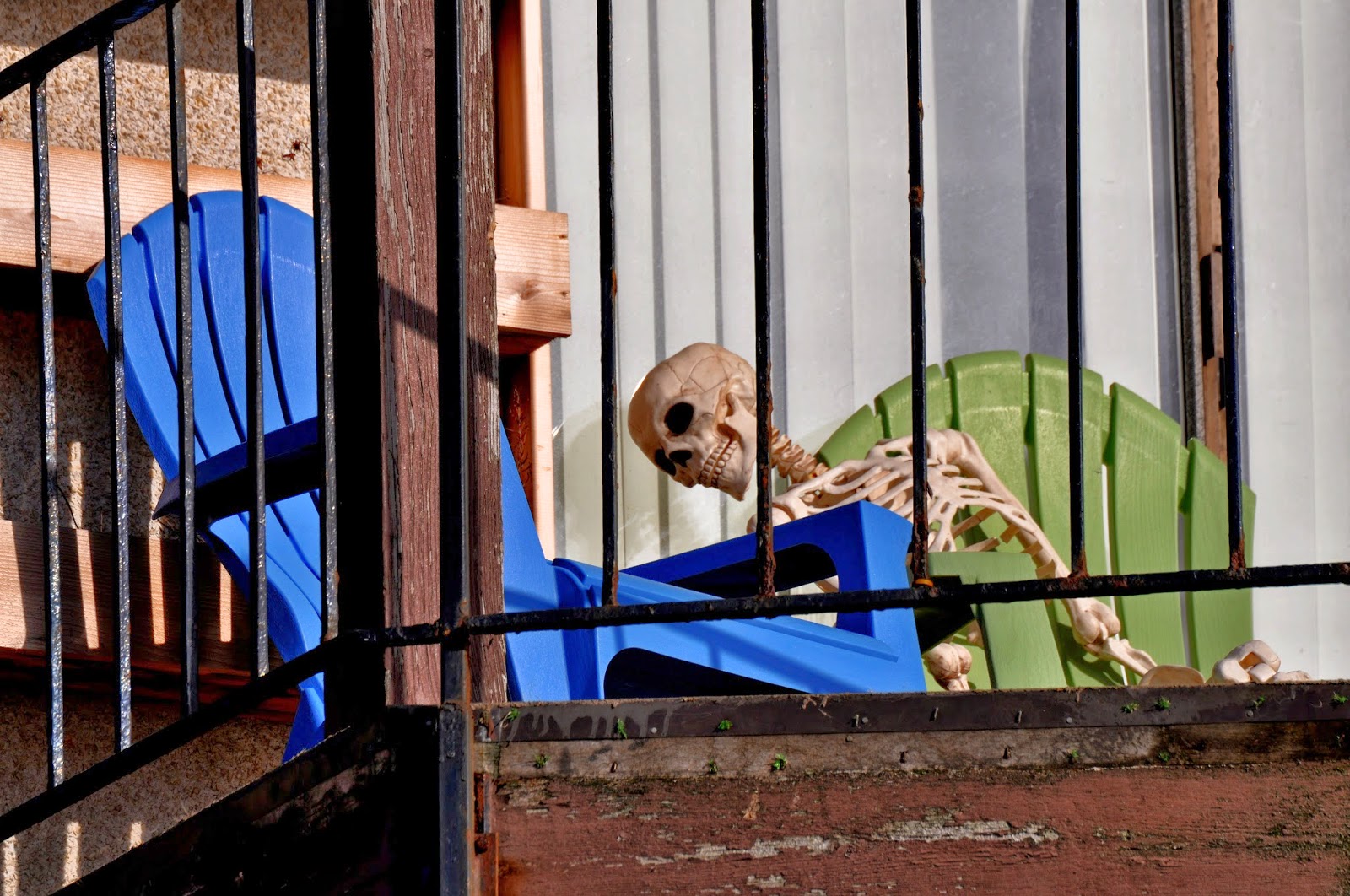
In previous posts I have presented the story of the dead sea lion that ended up on Alki beach within feet of a large log with a sea lion carving on it......that was strange. Now we can add another bit of strangeness to the story. Last night a high tide moved the dead sea lion about 20 yards south of it's original position on the beach. The sea lion ended up in front of the next condo complex. On the second floor level condo deck was sitting the perfect Seal Sitter for a dead sea lion......Images tell all.
![]() |
| Original Sea Lion location |
![]() |
| New Sea Lion location |
| Carving of sea lion on log |
![]() |
| Seal sitter on 2nd floor deck above sea lion |
Thursday, January 23, 2014
JANUARY AFTERNOON PUGET SOUND SKY
While watching a Harbor Seal pup as part of Seal Sitters yesterday afternoon at Lowman Beach Park in West Seattle we had some rather interesting sky effects. So I thought I would share them...
One thing I always think about when watching a sunset, no matter how ordinary....if I live to be 100 million years old I will never get a chance to see another exactly like it.
![]() |
| Washington State Ferry to Vashion Island |
| Puget Sound Vashion Island |
Subscribe to:
Posts (Atom)


++a1.jpg)
+a2.jpg)
+a2.jpg)


em1.jpg)


c.jpg)
a.jpg)
a.jpg)